I-751 letter of support
A sworn statement from someone who knows your marriage firsthand. It supports Form I-751. It does not replace primary evidence, and it is not Form I-864.
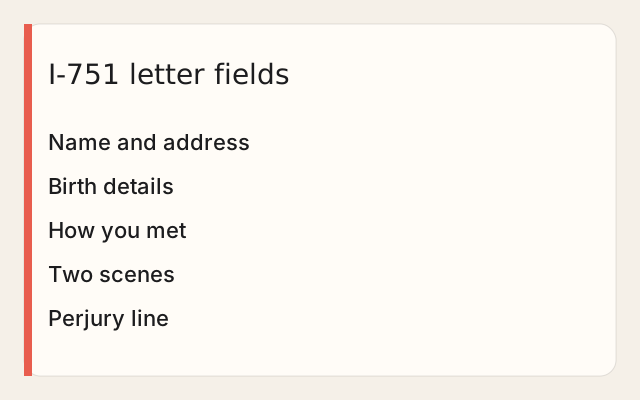
What to include
- Affiant full name and address
- Date and place of birth
- Relationship to the couple
- How and when they met you
- How often they see you
- Specific stories, not character praise
- A signed perjury declaration
Notarization is usually optional. A signed declaration under penalty of perjury is what USCIS expects. Some lawyers still add a notary block; that is a preference, not a form requirement.
How to write an I-751 affidavit letter of support
Pick people who know you as a couple. A coworker who only knows one spouse is a weak writer. A neighbor who ate dinner with both of you is a strong writer. Ask each person for two scenes they remember without looking at your notes.
Then draft. We keep their words tied to those scenes so the letter stays something they can edit and sign, not a biography they have to invent.
How many letters of support for I-751
Two to four is the usual range. One strong letter beats five copies of “they love each other.” If you are in the 90-day filing window before the two-year card expires, start with the two people who saw the most of your daily life, then add a third if they have a different vantage—work, neighborhood, or family.
Notarize or perjury
USCIS accepts a signed declaration under penalty of perjury. A notary is optional unless your attorney asks for one. Either way, the writer must read the draft and strike anything they did not witness.
Questions
Do I-751 affidavits need to be notarized?
Usually no. A signed statement under penalty of perjury is the standard. Some lawyers still prefer a notary page.
What fields belong in an I-751 letter of support?
Writer identity, birth details, relationship, how they met you, how often they see you, two or three firsthand stories, and a perjury line.
Can a coworker write if they only know one spouse?
They are a weak writer. Pick people who know you as a couple: dinners, moves, holidays, or parenting they personally saw.